Can Chinese Herbal Medicine Help Traumatic Brain Injury? What the Research Shows
By Dr. Erika F. Marie, DACM, LAc | Chiyu Integrative Health | Columbia, SC & Longmont, CO
When the Brain Is Injured, the Whole Person Pays the Price
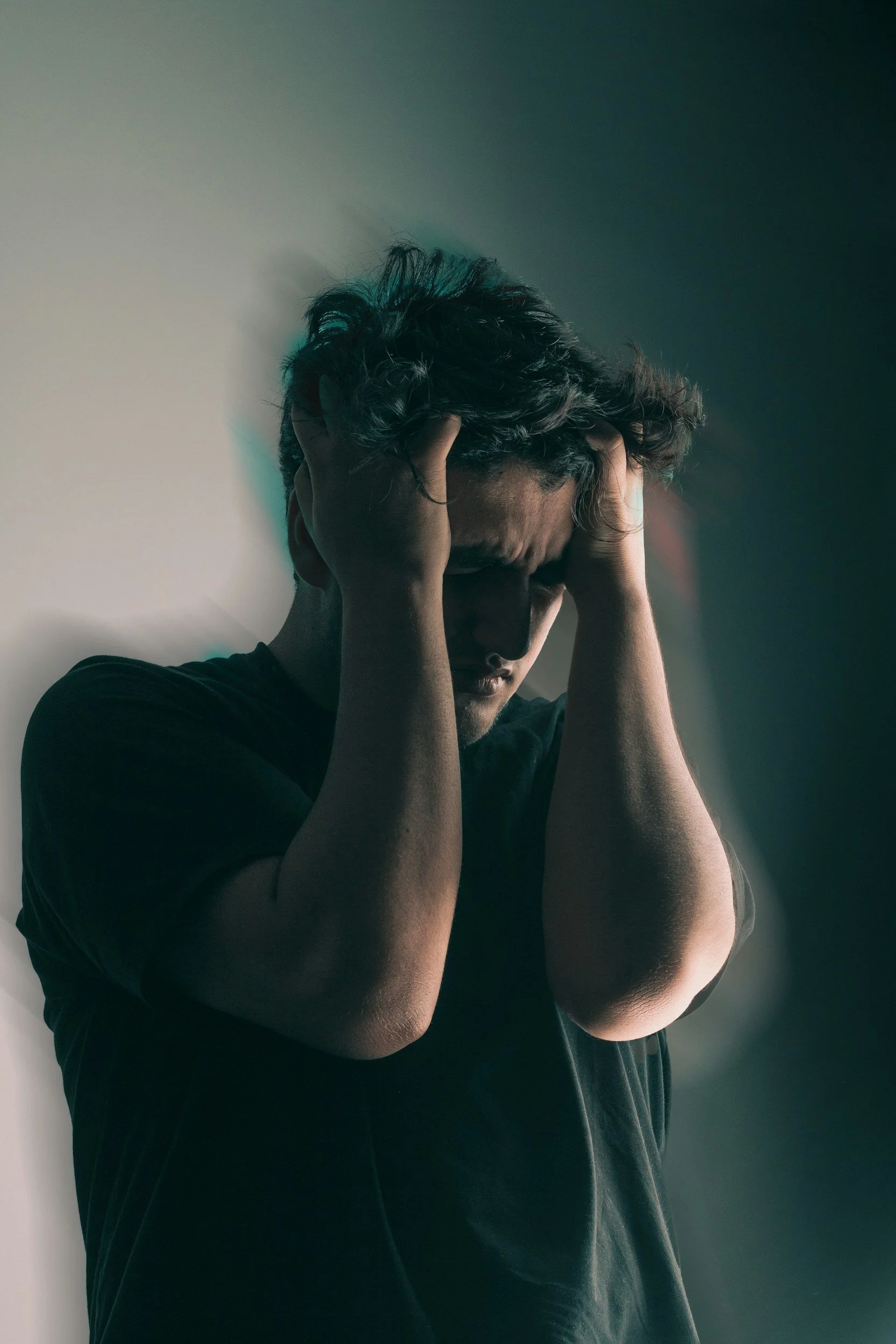
Traumatic brain injury (TBI) is one of the most complex and least well-treated conditions in modern medicine. Whether it results from an IED incident during deployment, a car accident, a fall, a sports concussion, or another impact, TBI can change a person's life in ways that are hard to describe and even harder to treat. The symptoms are wide-ranging: persistent fatigue, brain fog, difficulty concentrating, memory problems, headaches, sleep disruption, emotional dysregulation, anxiety, and depression. For many people, these problems do not resolve on their own. Conventional medicine has struggled to address them.
Research confirms just how lasting these effects can be. Studies show that even a single mild TBI (also called a concussion) can produce measurable changes in attention and executive function that persist for years.¹ A ten-year follow-up study found that fatigue, insomnia, and exhaustion were the most common long-term complaints after mild TBI.² For veterans, the burden is compounded: veterans who’ve experienced TBI report significantly greater levels of both cognitive and physical fatigue than their peers.³
What makes TBI especially difficult is that conventional medicine has no approved drug that has proven specifically effective for TBI recovery.⁴ Most treatment is supportive — rest, symptom management, rehabilitation. The growing gap between persistent, life-impacting symptoms and effective resolution has driven growing interest in integrative approaches, including traditional Chinese herbal medicine. But research in this area is meaningful, and growing.
Why TBI Is So Difficult to Treat: The Biology of Brain Injury
TBI is not a single injury; it is a cascading series of biological events. The initial impact causes direct tissue damage, but much of the lasting harm comes afterward, in what researchers call the secondary injury cascade. This includes:
Neuroinflammation: activated immune cells in the brain release pro-inflammatory cytokines — including IL-1β, IL-6, and TNF-α — that damage neurons and disrupt normal brain function for days, months, or even years after the original injury
Oxidative stress: TBI triggers a surge of reactive oxygen species (ROS) that overwhelm the brain's natural antioxidant defenses, causing ongoing cellular damage
Blood-brain barrier (BBB) disruption: the protective lining between the bloodstream and brain tissue is damaged, allowing inflammatory molecules to flood into the brain
Impaired cerebral microcirculation: blood flow through the brain's small vessels is disrupted, starving injured tissue of oxygen and nutrients
Neurotransmitter disruption: TBI alters the brain's chemical signaling, affecting serotonin, dopamine, norepinephrine, and GABA, causing mood instability, sleep problems, and cognitive difficulties
BDNF suppression: brain-derived neurotrophic factor, the brain's key growth and repair protein, is reduced after TBI — impairing neuroplasticity and the brain's ability to heal
The multi-system, multi-stage secondary injury cascade is precisely why single-drug, single-target treatments have largely failed. A drug that blocks one inflammatory cytokine cannot simultaneously restore blood flow, protect the BBB, and normalize neurotransmitter levels. Even if multiple highly-targeted medicines are combined (such as an anti-coagulant and anti-inflammatory drug), there are aspects of the injury cascade that remain untouched, while the potential side effects of the multiple medications create a medication cascade that potentially causes additional health injury and complications.
As a major research review concluded, the complex pathological process of TBI requires a multi-target approach. This is exactly where botanical herbal formulas have a natural structural advantage.⁴ Chinese herbal formulas are not single compounds. They are precisely blended combinations of bioactive molecules — flavonoids, saponins, alkaloids, polyphenols — each with distinct pharmacological actions, working together across multiple biological targets simultaneously.
What the Research Shows: Clinical Evidence for Chinese Herbal Medicine for TBI
The Broadest View: Systematic Reviews
A comprehensive meta-analysis pooling 37 randomized controlled trials involving 3,374 patients found that Chinese herbal medicine combined with conventional treatment produced significantly better functional outcomes (including activities of daily living and neurological recovery) compared to conventional treatment alone, with a favorable safety profile.⁵ A 2025 randomized, double-blind controlled trial at Longhua Hospital in Shanghai randomized 218 severe TBI patients into three groups: conventional treatment alone, acupuncture alone, and acupuncture combined with a specific Chinese herbal formula. The combination group achieved an effective treatment rate of 86.66%, compared to 77.77% for conventional treatment alone — a statistically significant difference.⁶
Key Formulas in the Research
Xuefu Zhuyu Decoction: The Most Studied Herbal Formula for TBI
Xuefu Zhuyu Decoction (XFZYD) is a classical 11-herb formula that has been the subject of extensive modern pharmacological research specifically in TBI. Network pharmacology analysis has identified 119 bioactive compounds within this formula acting on 47 TBI-associated proteins, intervening in key pathological processes including inflammation, oxidative stress, apoptosis, and axon regeneration.⁷
The biochemical mechanisms documented in peer-reviewed research for XFZYD include:
Suppression of neuroinflammatory cytokines: XFZYD significantly reduces levels of TNF-α and IL-1β in injured brain tissue by inhibiting the PI3K-AKT-mTOR inflammatory signaling pathway.⁸ It also downregulates IL-6 and other inflammatory cytokines via microRNA-mediated gene regulation.⁹
Restoration of synaptic proteins: XFZYD upregulates synaptophysin, synapsin I, and PSD-95 — the structural proteins of synapses that are damaged by TBI and are essential for memory formation and cognitive recovery.¹⁰
Promotion of synaptic plasticity: XFZYD upregulates NMDAR1, CaMKII, and GAP-43, the proteins responsible for long-term potentiation — the brain's primary mechanism for learning, memory, and neural adaptation.¹¹
Stimulation of angiogenesis and microvascular repair: XFZYD increases density of cerebral microvessels and upregulates angiogenesis markers VEGFA and CD34, restoring blood supply to injured tissue. The active compound hydroxysafflor yellow A (HSYA) has been specifically identified as the primary driver of this mechanism.¹²
Protection of the blood-brain barrier: XFZYD reduces MMP-9 and COX-2 — two enzymes that degrade BBB integrity after TBI — and modulates adenosine metabolism to protect the barrier from further damage.¹³
BDNF upregulation: XFZYD promotes synaptic plasticity via the miR-191a-5p/BDNF-TrkB signaling axis, increasing brain-derived neurotrophic factor to support neurological repair and recovery.¹⁴
Key Herbs in the Research
San Qi / Panax Notoginseng Saponins: Multi-Target Neuroprotection
San Qi (Panax notoginseng, also called Tian Qi) is one of the most pharmacologically well-characterized herbs in the TBI context. A meta-analysis of 20 randomized controlled trials found that patients treated with Panax notoginseng saponins (PNS) had better neurological outcomes than those receiving conventional treatment alone.¹⁵
The documented biochemical mechanisms of PNS in the nervous system are extensive:
Reduction of neuroinflammatory cytokines: PNS reduces TNF-α, IL-1β, IL-6, and IL-10 dysregulation in brain injury and stroke models, and inhibits neuronal apoptosis via caspase-3 and caspase-1 suppression¹⁶
Restoration of monoamine neurotransmitters: PNS compounds — particularly ginsenosides Rb1, Rb3, Rg1, and Re — have been shown to increase serotonin (5-HT), dopamine (DA), and norepinephrine (NE) levels in the brain, directly addressing the neurotransmitter disruption that underlies TBI-related depression, anxiety, and emotional dysregulation¹⁷
BDNF upregulation: PNS enhances neuronal plasticity by increasing brain-derived neurotrophic factor (BDNF) expression and activating the BDNF-TrkB signaling pathway, supporting neuronal survival, axon growth, and cognitive repair¹⁸
HPA axis and cortisol regulation: PNS modulates the hypothalamus-pituitary-adrenal (HPA) axis, reducing dysregulated cortisol stress responses — a significant factor in both TBI and post-traumatic stress¹⁷
Cerebral vasodilation and hemostasis: PNS improves microcirculation by inhibiting abnormal platelet aggregation, reducing coagulation, and dilating cerebral blood vessels — increasing oxygen and nutrient delivery to injured tissue¹⁵
Neuroprotection of dopaminergic neurons: PNS protects dopamine-producing neurons via tyrosine hydroxylase (TH) and dopamine transporter (DAT) regulation — relevant not only to TBI but to the Parkinsonism-like symptoms sometimes seen after repeated head injury¹⁶
Rhizoma Drynariae (Gu Sui Bu): Cognitive Recovery and Anti-Inflammatory Action
In research conducted in collaboration with Johns Hopkins, Rhizoma drynariae was shown to decrease brain lesion volume, improve neurological and cognitive function, and reduce anxiety- and depression-like behaviors following controlled TBI. Biochemically, it reduced the pro-inflammatory cytokine IL-6 while increasing anti-inflammatory IL-10. The active compound identified — eriodictyol — operates through immune-modulating, anti-inflammatory, and neuroprotective mechanisms.¹⁹
Summary of Effects and Application of Chinese Herbal Medicine for TBI Research
While recent research is impressive, what is even more encouraging is that research on Chinese herbal medicine for concussive injuries is still emerging. Chinese herbal medicine includes more than 300 herbs, each with individual properties that work either synergistically or antagonistically with other herbs in a Chinese herbal medicine formula, and must selected to fit the individual patterns presented by the patient. Chinese herbal medicines are more potent than over-the-counter herbs and supplements, and should not be taken in large amounts or as solo herbs. For greatest efficacy, Chinese herbal formulas should be customized to the individual’s unique symptom presentation. A formula for TBI that is very effective for one person will not necessarily be as effective for a person who also had a TBI but presents with a different Chinese medical differentiation pattern. For these reasons, Chinese herbs should only be prescribed by someone formally educated in their prescription.
Acupuncture for TBI: Documented Biological Mechanisms
Acupuncture is often used alongside herbal medicine in clinical practice, and the mechanistic research increasingly explains why the combination is more effective than either approach alone. A 2023 systematic review and meta-analysis of nine randomized controlled trials found that acupuncture added to conventional care significantly improved consciousness recovery in TBI patients, with a relative risk of 1.36 for wake-up rate and measurable improvements in activities of daily living.²⁰
The documented biological mechanisms of acupuncture in the TBI context include:
Antioxidant enzyme activation: acupuncture activates the brain's endogenous antioxidant system and reduces reactive oxygen species (ROS) — directly countering the oxidative stress cascade of TBI²¹
Pro-inflammatory cytokine reduction: acupuncture reduces neuroinflammatory cytokine release, helping protect nerve cells from secondary damage²¹
BDNF pathway activation: acupuncture has been found to upregulate BDNF and activate the TrkB receptor pathway, supporting neurological repair and neuroplasticity after TBI²²
Dopamine modulation: research has demonstrated that acupuncture at specific points increases dopamine levels in relevant brain regions, supporting mood, motivation, and motor recovery²³
Microvessel and circulation support: acupuncture influences local and systemic circulation, supporting oxygen delivery to recovering brain tissue²³
Acupuncture has also shown clinical utility for chronic pain following TBI, where it is already being used by TBI survivors and is the subject of ongoing research at the University of Washington and the James A. Haley Veterans Hospital.²⁴
Why Multi-Compound Herbal Formulas Work Where Single Drugs Have Not
One of the most compelling findings in TBI research is that despite decades of pharmaceutical development, no single drug has been approved as specifically effective for TBI recovery.⁴ Many promising candidates — free-radical scavengers, NMDA antagonists, calcium channel blockers — have failed in clinical trials despite showing promise in animal models. The likely reason is that TBI simultaneously disrupts inflammation, circulation, neurotransmitter balance, oxidative stress pathways, BBB integrity, and neurotrophic signaling. A single drug targeting one pathway cannot address the others.
Herbal formulas are structurally different. A single formula like XFZYD contains 119 identified bioactive compounds acting on 47 TBI-related protein targets.⁷ These compounds work concurrently across multiple pathways — reducing IL-1β and TNF-α while simultaneously restoring BDNF, normalizing serotonin and dopamine, repairing the blood-brain barrier, and rebuilding synaptic proteins. This is not polypharmacy by accident — it is a multi-target pharmacological strategy that the evidence increasingly supports for the complexity of TBI.
Where the Research will go Next
The evidence for Chinese herbal medicine and acupuncture in TBI is genuinely promising and still emerging. Much of the strongest mechanistic data comes from animal models and laboratory studies. Many of the clinical trials, while positive, have been conducted primarily in China and vary in methodological rigor. However, from a historical context this is to be expected: Chinese herbal medicine and acupuncture have co-existed alongside conventional medicine in Asian hospitals for decades. In terms of integrative medicine, the East is decades ahead of the of the West. Independent replication of Chinese studies in large Western clinical trials is needed, but because of differences in research values, there is a significant funding hurdle.
In a condition where no approved pharmaceutical treatment for TBI recovery exists, and where millions of people are living with significant long-term neurological and cognitive symptoms, a well-researched, multi-target integrative approach deserves serious clinical consideration. Integrative therapies for TBI is not a replacement for emergency neurology or rehabilitation. But responsible medical practices should encourage integrative care in tandem — because acupuncture and Chinese herbal medicine address biological mechanisms that standard care does not currently reach.
Who Might Benefit From an Integrative TBI Consultation?
An integrative assessment is a valuable tool for those experiencing:
Persistent fatigue, brain fog, or cognitive difficulties following a TBI or concussion
Sleep disruption, anxiety, depression, or emotional dysregulation after head injury
Chronic headaches or pain following TBI
A history of multiple concussions — from sports, military service, accidents, or domestic violence
A sense that neurological or cognitive recovery has plateaued or stalled
Interest in a science-informed, biologically grounded, personalized approach to supporting recovery
At Chiyu Integrative Health, we specialize in complex neurological presentations, including TBI, post-concussion syndrome, and the intersection of neurological and immune dysregulation. Dr. Erika F. Marie has direct experience with complex cases both as a clinician and personally, including her own successful use of integrative medicine to reverse kidney failure and achieve remission of autoimmune symptoms, her daughter's thriving with a rare blood disorder and barrier-breaking experience of BMT using an integrative approach, and her work founding and running the acupuncture program at the Kansas City VA Hospital, where she worked directly with veterans carrying the full burden of service-related TBI and PTSD.
About the Author
Dr. Erika F. Marie, DACM, LAc is a Doctor of Acupuncture and Chinese Medicine, West Point graduate, and founder of Chiyu | Acupuncture and Integrative Medicine in Longmont, Colorado and Chiyu Integrative Health worldwide. She is a published researcher and peer-reviewer for EXPLORE: The Journal of Science and Healing. She consults with and treats patients in-person in Colorado and remotely via phone or video, specializing in complex, multi-system chronic conditions.
Ready to Explore What Integrative Care Can Offer?
If you or someone you love is living with the neurological after-effects of a traumatic brain injury, we invite you to reach out. A thorough systems-based assessment can identify biological pathways that are addressable. With years of experience in safe and effective integrative health methods, we’ll map a personalized plan that conventional care has not yet offered.
Schedule a consultation — in-person in Longmont, Colorado or by phone or video call at chiyuacupuncture.com. For questions or assistance, you can also reach our capable and friendly Care Coordinator Team by texting or calling: 1 (720) 213-4999.
References
1. Lifetime Traumatic Brain Injury and Cognitive Domain Deficits in Late Life: The PROTECT-TBI Cohort Study. Journal of Neurotrauma, 2023. https://www.liebertpub.com/doi/10.1089/neu.2022.0360
2. Understanding the interplay between mild traumatic brain injury and cognitive fatigue. PMC6122693. https://pmc.ncbi.nlm.nih.gov/articles/PMC6122693/
3. Predictors of cognitive and physical fatigue in post-acute mild-moderate traumatic brain injury. PubMed ID: 27535726. https://pubmed.ncbi.nlm.nih.gov/27535726/
4. Chinese herbal medicine for TBI: neuroprotective mechanisms and multi-target advantages. PubMed ID: 36906602. https://pubmed.ncbi.nlm.nih.gov/36906602/
5. Chinese herbal medicine for traumatic brain injury: systematic review and meta-analysis of 37 RCTs (3,374 patients). PMC7530840. https://pmc.ncbi.nlm.nih.gov/articles/PMC7530840/
6. Liu J, Wang N. Efficacy and Safety of Acupuncture Combined With Herbal Medicine in the Treatment of Severe Traumatic Brain Injury: A Randomized, Double-Blind, Controlled Trial. SAGE Journals, 2025. https://journals.sagepub.com/doi/10.1177/03601293251363413
7. Zhong et al. Exploring Pharmacological Mechanisms of Xuefu Zhuyu Decoction in TBI via Network Pharmacology: 119 bioactive compounds, 47 TBI-associated proteins. PubMed ID: 30402137. https://pubmed.ncbi.nlm.nih.gov/30402137/
8. Xuefu Zhuyu decoction provides neuroprotection in TBI via inhibition of the PI3K-AKT-mTOR pathway, reducing TNF-α and IL-1β. Scientific Reports, 2016. PubMed ID: 26818584. https://pubmed.ncbi.nlm.nih.gov/26818584/
9. XFZYD inhibits IL-1β, IL-6, and TNF-α via microRNA-mediated gene regulation (miR-96-5p pathway). PubMed ID: 35814248. https://pubmed.ncbi.nlm.nih.gov/35814248/
10. XFZYD upregulates synaptophysin, synapsin I, and PSD-95 in TBI rats. PubMed ID: 30106054. https://pubmed.ncbi.nlm.nih.gov/30106054/
11. XFZYD improves cognitive impairment via synaptic regulation, upregulating NMDAR1, CaMKII, and GAP-43 (long-term potentiation proteins). PubMed ID: 29069769. https://pubmed.ncbi.nlm.nih.gov/29069769/
12. XFZYD stimulates angiogenesis via VEGFA/CD34/PI3K-Akt-mTOR pathway; hydroxysafflor yellow A (HSYA) identified as primary bioactive compound. PubMed ID: 39327620. https://pubmed.ncbi.nlm.nih.gov/39327620/
13. XFZYD protects blood-brain barrier integrity by reducing MMP-9 and COX-2, regulating adenosine metabolism via ENT2. PubMed ID: 39776039. https://pubmed.ncbi.nlm.nih.gov/39776039/
14. XFZYD promotes synaptic plasticity and BDNF upregulation via the miR-191a-5p/BDNF-TrkB signaling axis in severe TBI. ScienceDirect, 2024. https://www.sciencedirect.com/science/article/abs/pii/S0944711324002319
15. Panax notoginseng saponins: meta-analysis of 20 RCTs. Mechanisms include hemostasis, cerebral vasodilation, anti-inflammation, antioxidation, energy metabolism. PMC4288044. https://pmc.ncbi.nlm.nih.gov/articles/PMC4288044/
16. Panax notoginseng saponins in nervous system disorders: anti-inflammatory, antioxidant, dopaminergic neuroprotection (TH, DAT regulation), TNF-α/IL-1β/IL-6 reduction. PubMed ID: 33313270. https://pubmed.ncbi.nlm.nih.gov/33313270/
17. Panax notoginseng saponins: antidepressant/anxiolytic mechanisms via serotonin, dopamine, norepinephrine, BDNF-TrkB, and HPA axis modulation. PMC6017639 / MDPI Molecules. https://pmc.ncbi.nlm.nih.gov/articles/PMC6017639/
18. PNS enhances BDNF, promotes neurogenesis and neuroplasticity via BDNF-TrkB/Akt/CREB signaling. Frontiers in Pharmacology, 2025. https://www.frontiersin.org/journals/pharmacology/articles/10.3389/fphar.2025.1693253/full
19. Rhizoma drynariae reduces brain lesion volume, improves cognitive function, reduces IL-6, increases IL-10 in TBI model (Johns Hopkins collaboration). PubMed ID: 26334614. https://pubmed.ncbi.nlm.nih.gov/26334614/
20. Narendra L et al. Efficacy of acupuncture to regain consciousness in patients with TBI: systematic review and meta-analysis of 9 RCTs. TMR Integrative Medicine, 2023. https://www.tmrjournals.com/public/articlePDF/20231105/c71655200998eebc2ad36635616e7d25.pdf
21. Acupuncture reduces oxidative stress and pro-inflammatory cytokines in TBI, activating endogenous antioxidant enzyme systems. Frontiers in Cellular Neuroscience. PMC11335542. https://pmc.ncbi.nlm.nih.gov/articles/PMC11335542/
22. Acupuncture upregulates BDNF and activates TrkB pathway for neurological recovery after TBI. PubMed ID: 28243312. https://pubmed.ncbi.nlm.nih.gov/28243312/
23. Effect of Acupuncture on Recovery of Consciousness in TBI: Multi-Institutional Cohort Study; dopamine modulation and microcirculation effects. PMC10454345. https://pmc.ncbi.nlm.nih.gov/articles/PMC10454345/
24. Sodders MD et al. Acupuncture use for pain after traumatic brain injury: a NIDILRR Traumatic Brain Injury Model Systems cohort study. Brain Injury, 2023. PubMed ID: 36998180. https://pubmed.ncbi.nlm.nih.gov/36998180/
Disclaimer: This article is for educational purposes only and does not constitute medical advice or a diagnosis. Always consult with a qualified healthcare provider regarding your individual health situation.